When the power goes out, a generator keeps your home running. Whether it’s a storm, outage, or emergency, having your own power source can make all the difference. In this complete generator installation guide, we’ll show you how to install a generator step by step. You’ll learn about safety, planning, and both portable generator installation and residential backup generator installation options.
If you’re in Athens, GA and want to understand the generator installation process, this guide walks you through everything you need to know.
Why You Need a Generator
A generator is more than just a convenience. It provides steady power when the grid fails, keeping your essential appliances, lighting, and safety systems working.
Here’s what a generator can power:
- Kitchen appliances and refrigerators
- Lighting and outlets
- Wi-Fi and electronics
- HVAC systems
- Security and medical equipment
With the right system in place, you can keep life moving even when the lights go out.
Types of Generators
Before learning how to install a generator, choose which type fits your home and budget.
1. Portable Generators
Portable units are smaller, movable, and powered by gas or propane. Portable generator installation is simple and works well for short outages or when you only need to run key appliances.
2. Standby Generators
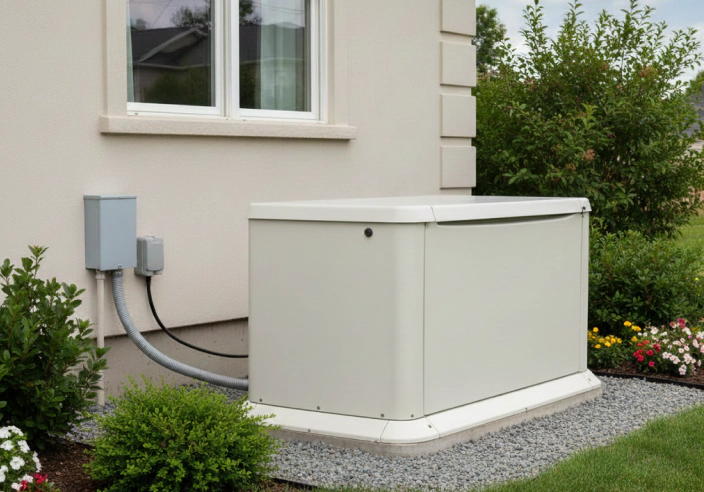
A residential backup generator installation is permanent. It connects to your home’s electrical system and starts automatically when power fails. These units often run on propane or natural gas and can power your entire home.
Safety Considerations
Electricity and fuel require care and attention. Follow these basic safety rules before starting any DIY generator installation or professional work.
Safety reminders:
- Always install outdoors in a well-ventilated space
- Keep at least 15 feet from doors or windows
- Never connect directly into a wall outlet
- Use a transfer switch to prevent backfeeding
- Ground the generator properly
- Check local codes and permit requirements
If you’re unsure about wiring or fuel lines, contact a licensed electrician like Meehan Electrical Services in Athens, GA for a safe installation.
Planning Your Generator Installation
Step 1: Calculate Your Power Needs
Make a list of what you want to power during an outage. Add up the wattage for those appliances to determine your required generator size.
- Portable models: 3,000–10,000 watts
- Whole-home systems: 20,000+ watts
Step 2: Pick the Right Location
Choose a level outdoor spot that’s:
- Well-ventilated
- Dry and stable
- Close to your electrical panel but safely distant from windows
Step 3: Gather the Tools
You may need:
- Wrenches, screwdrivers, voltage tester
- Fuel lines and conduit
- Grounding wire and rods
- Transfer switch kit
- Concrete pad or support base
How to Install a Portable Generator
Portable generator installation can be completed in an afternoon with the right setup.
Step 1: Unpack and Inspect
Check oil, fuel, and all connections. Review the manufacturer’s guide before starting.
Step 2: Position the Generator
Place it outdoors on a flat surface. Keep it dry and ensure there’s space for ventilation.
Step 3: Connect Power Safely
You can:
- Use heavy-duty cords: Plug appliances directly into the generator using outdoor-rated cords.
- Install a transfer switch: This connects your generator to your panel safely and prevents backfeeding.
It’s strongly recommended to have a licensed electrician handle transfer switch wiring for safety.
Step 4: Test and Run
Start the generator according to its manual. Test essential circuits or plug-in devices to ensure everything runs properly.
How to Install a Residential Backup Generator
A residential backup generator installation takes more planning and wiring than portable models. Here’s what the generator installation process usually includes.
Step 1: Site Prep
Prepare a level surface or small concrete pad. For safety and stability, Meehan Electrical Services can install a suitable base that meets local code.
Step 2: Fuel Connection
Connect the generator to a natural gas or propane line. Only a licensed professional should handle this step.
Step 3: Transfer Switch Setup
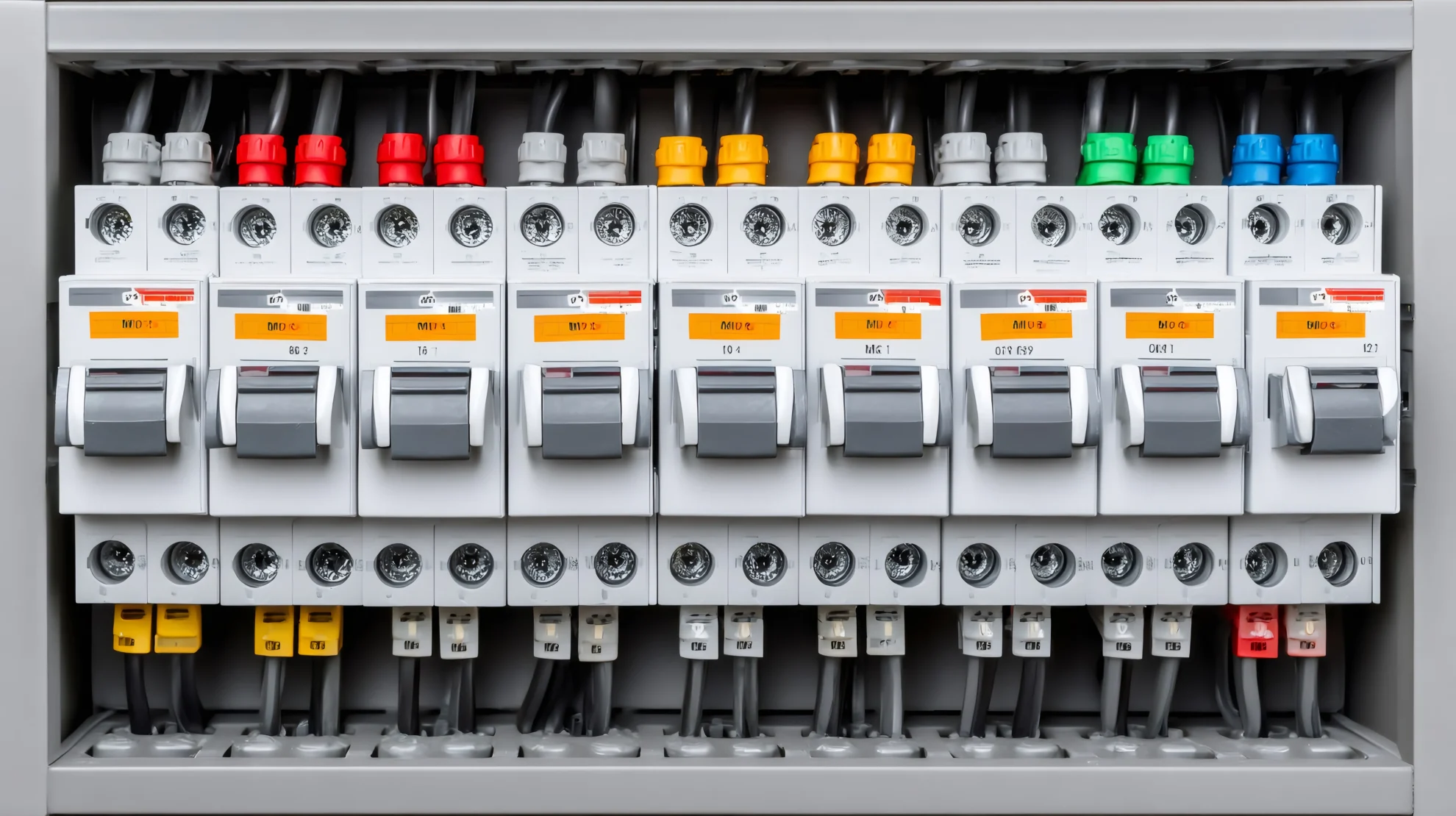
A transfer switch is installed near your main electrical panel. It automatically switches power sources during an outage.
Step 4: Electrical Wiring
The generator is wired to the switch, grounded, and tested. This ensures steady and safe power flow.
Step 5: System Test
Your electrician will simulate an outage to confirm the generator starts automatically and powers your home correctly.
DIY Generator Installation: What You Can and Can’t Do
If you’re comfortable with tools, you can manage a DIY generator installation for small portable models. Just avoid wiring tasks that involve your main panel or fuel system.
You can:
- Set up and start a portable unit
- Plug in devices using approved cords
- Maintain oil and fuel levels
- Keep the generator clean and stored properly
You shouldn’t:
- Wire into your electrical panel
- Install or modify transfer switches
- Handle gas or propane lines
For those tasks, hire trained electricians to avoid hazards and ensure compliance.
Maintenance After Installation
To keep your generator ready, perform regular maintenance:
- Run monthly for 15–20 minutes
- Check oil, filters, and spark plugs
- Store fuel safely and label containers
- Inspect cords and connections for wear
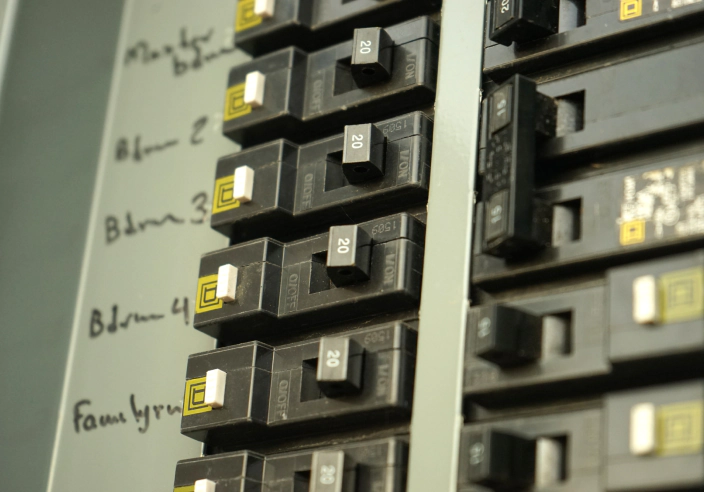
Meehan Electrical Services also provides Electrical Troubleshooting and Panel Upgrades for ongoing support.
Common Mistakes to Avoid
- Skipping a transfer switch
- Installing too close to the house
- Ignoring wattage requirements
- Missing code or permit checks
- Attempting unsafe wiring
Avoiding these mistakes keeps your home and generator safe.
Conclusion
Knowing how to install a generator gives you confidence and safety when outages hit. Whether you choose portable generator installation or residential backup generator installation, understanding the generator installation process helps you prepare, plan, and power your home safely.
Dependable Generator Installation in Athens, GA
At Meehan Electrical Services, we’ve been serving Athens, GA since 1960. We install and wire generators correctly, ensuring safe and code-compliant connections every time. Our licensed electricians handle setup, transfer switches, and testing with care. Call (706) 548-7253 today for Free Over The Phone Estimates and dependable service you can trust.
Explore related pages: Electrical Panel Upgrades, Emergency Electrical Service, and Wiring & Rewiring Services.