
1. Why Panel Upgrades Matter
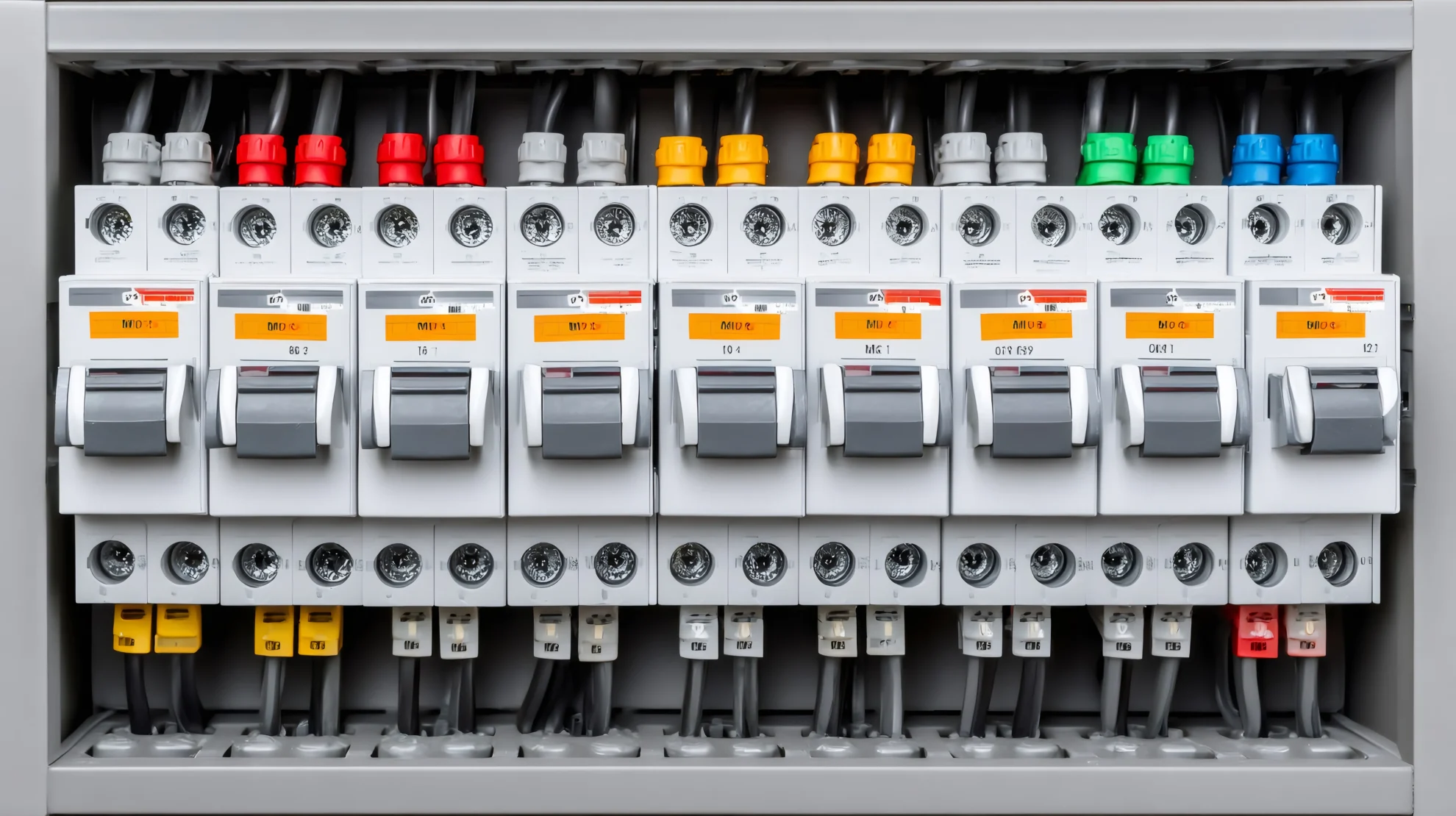
Your electrical panel serves as the heart of your home’s power system, distributing electricity to every outlet, appliance, and fixture. When this critical component becomes outdated or overloaded, it creates serious safety risks and limits your ability to use modern electrical devices.
Many homes built before the 1990s feature panels designed for significantly lower electrical demands. These older systems typically provide 60 to 100 amps of service, which was adequate when households had fewer appliances and electronics. Today’s homes require substantially more power to support air conditioning systems, kitchen appliances, home offices, electric vehicle chargers, and entertainment systems.
An undersized or aging panel forces circuits to work beyond their intended capacity, leading to frequent breaker trips, flickering lights, and potential fire hazards. Insurance companies increasingly recognize these risks, with some refusing coverage or charging higher premiums for properties with outdated electrical systems.
Upgrading your panel eliminates these dangers while preparing your home for future needs. Modern panels include advanced safety features such as arc fault circuit interrupters and ground fault protection, which older systems lack. These technologies detect electrical irregularities and shut off power before problems escalate.
Beyond safety considerations, an upgraded panel increases your property value and makes your home more attractive to potential buyers. Real estate professionals consistently report that homes with updated electrical systems sell faster and command higher prices than comparable properties with outdated infrastructure.
2. Price Breakdown Components
Understanding what influences the final price helps you budget appropriately and identify potential cost-saving opportunities. Several factors contribute to the total investment required for panel replacement.
Panel capacity represents the most significant variable. A standard 100-amp panel suitable for smaller homes typically costs less than a 200-amp system designed for larger properties with higher electrical demands. Properties planning to add electric vehicle charging stations, swimming pools, or extensive workshop equipment may require 400-amp service, which increases material and installation expenses.
The physical location of your existing panel affects labor costs considerably. Panels situated in easily accessible areas require less time to replace than those installed in cramped crawl spaces, finished basements, or locations requiring extensive drywall removal. Technicians need adequate working space to safely disconnect old equipment and install new components.
Your home’s current wiring condition directly impacts project scope. Properties with aluminum wiring, knob-and-tube systems, or deteriorated conductors may need partial or complete rewiring to meet current safety standards. This additional work extends project timelines and increases material requirements.
Permit fees and inspection costs vary by jurisdiction but typically represent a small percentage of total expenses. Local building departments require permits to ensure installations comply with electrical codes, protecting homeowners and future occupants. Licensed electricians handle permit applications and coordinate required inspections.
Distance from the utility connection point influences installation complexity. Homes requiring new meter bases or extensive service line modifications face higher costs than properties needing only panel replacement. Utility company coordination may extend project timelines, particularly in areas experiencing high service demand.
Material quality affects both immediate costs and long-term performance. Premium panels include features such as copper bus bars, advanced surge protection, and expandable circuit positions that accommodate future additions. These components cost more initially but provide superior reliability and flexibility.
3. Local Considerations for Georgia Homeowners
Regional factors significantly influence both the necessity and cost of panel upgrades. Understanding these local elements helps homeowners make informed decisions about timing and budgeting.
Summer heat in this region drives substantial air conditioning usage from late May through September. Many older homes experience repeated circuit trips during peak cooling months because their panels cannot handle simultaneous operation of central air units, kitchen appliances, and other electrical loads. Homeowners often discover inadequate electrical capacity during the hottest weeks when reliable cooling becomes essential for comfort and health.
Humidity levels throughout the year create additional concerns for aging electrical systems. Moisture infiltration accelerates corrosion in older panels, particularly those installed in garages, basements, or exterior walls without proper weatherproofing. Corroded connections generate heat, increasing fire risks and causing intermittent power issues that worsen over time.
The area’s mix of historic homes and newer construction creates diverse electrical infrastructure. Properties built in the mid-20th century frequently contain Federal Pacific or Zinsco panels, brands now recognized as fire hazards due to defective circuit breakers that fail to trip during overload conditions. Insurance companies increasingly require replacement of these specific panel types as a condition of coverage.
Local building codes adopt the National Electrical Code with specific amendments reflecting regional requirements. Recent code updates mandate arc fault protection for most residential circuits and require tamper-resistant receptacles throughout homes. Older panels cannot accommodate these modern safety devices without replacement.
Power grid improvements in surrounding communities sometimes necessitate service upgrades to accommodate increased capacity. Utility companies periodically upgrade transformers and distribution lines, creating opportunities for homeowners to increase their electrical service without incurring additional connection fees. Coordinating panel upgrades with these utility projects can reduce overall costs.
Property values continue rising throughout the region, making electrical infrastructure upgrades a sound investment. Appraisers recognize updated electrical systems as significant value contributors, particularly when homeowners provide documentation of permitted work and final inspections.
4. Project Timeline Expectations
Understanding the installation process helps homeowners prepare for temporary disruptions and coordinate schedules effectively. Most panel replacements follow a predictable sequence, though specific circumstances may extend or shorten individual phases.
Initial assessment typically requires one to two hours. A qualified electrician examines your existing panel, evaluates overall system condition, measures electrical loads, and identifies code compliance issues. This evaluation produces a detailed proposal outlining recommended work, material specifications, and estimated costs. Homeowners should request clarification on any unclear items before authorizing work.
Permit acquisition takes anywhere from same-day approval to two weeks, depending on local building department workload and application complexity. Electronic submissions generally process faster than paper applications. Licensed contractors familiar with local requirements experience fewer delays than those unfamiliar with specific jurisdictional procedures.
Actual installation for straightforward replacements usually completes within four to eight hours. This timeframe assumes the new panel mounts in the existing location, requires no significant wiring modifications, and encounters no unexpected complications. More complex projects involving service upgrades, meter relocations, or extensive rewiring may extend across multiple days.
Power remains disconnected throughout the installation period. Homeowners should plan accordingly by refrigerating perishable foods elsewhere, charging electronic devices in advance, and making alternative arrangements for medical equipment requiring continuous electricity. Most installations schedule during moderate weather to minimize discomfort from inoperative heating or cooling systems.
Inspection scheduling depends on building department availability. Some jurisdictions provide same-day or next-day appointments, while others require several days’ notice. Electricians cannot restore full power until inspectors verify code compliance and approve the installation. Partial power restoration for essential circuits may be possible pending final inspection.
Final testing and documentation typically require one additional hour after inspection approval. Electricians verify all circuits function properly, label breakers accurately, and provide homeowners with system documentation. This paperwork proves valuable for insurance purposes, future service work, and property sales.
Seasonal demand affects scheduling availability. Spring and fall represent peak periods for electrical work as homeowners prepare for temperature extremes. Summer heat waves and winter freezes generate emergency service calls that may delay non-urgent projects. Booking installations during slower periods often provides more flexible scheduling and potentially faster completion.
5. Selecting the Right Professional
Choosing a qualified electrician represents one of the most important decisions in your upgrade project. The right professional ensures safe, code-compliant work that protects your family and property for decades.
Licensing verification should be your first step. Georgia requires electricians to hold active state licenses appropriate to the work they perform. Master electricians possess the highest qualification level and can design, install, and supervise all types of electrical work. Journeyman electricians work under master electrician supervision. Verify current license status through state regulatory agencies before hiring anyone.
Insurance coverage protects homeowners from liability for accidents occurring during work. Request certificates of insurance showing both general liability and workers’ compensation coverage. General liability insurance covers property damage, while workers’ compensation protects you if workers suffer injuries on your property. Uninsured contractors create significant financial risks for property owners.
Experience with panel replacements matters considerably. While all licensed electricians receive basic training, those regularly performing panel upgrades develop efficiency and problem-solving skills that benefit homeowners. Ask potential contractors how many panel replacements they complete annually and request references from recent customers.
Detailed written estimates prevent misunderstandings and cost surprises. Quality proposals specify panel brand and model, amperage rating, included materials, labor costs, permit fees, and estimated timeline. Vague estimates lacking specific information often lead to disputes and unexpected charges. Compare multiple bids to understand market rates, but remember that exceptionally low prices may indicate inexperience, inferior materials, or unlicensed work.
Warranty coverage demonstrates contractor confidence in their work. Reputable electricians guarantee workmanship for a minimum of one year, while manufacturers typically warrant panel components for ten years or longer. Understand what each warranty covers and the process for addressing issues if they arise.
Meehan Electrical Services Athens, GA brings extensive experience in residential panel upgrades throughout the region. Their licensed team understands local code requirements and works efficiently to minimize disruption to your household. They provide transparent pricing, handle all permitting and inspection coordination, and stand behind their installations with solid warranties. When you need reliable electrical work performed to the highest standards, their proven track record and commitment to customer satisfaction make them the logical choice for protecting your home’s electrical infrastructure.
Communication quality often predicts overall service experience. Contractors who respond promptly to inquiries, explain technical concepts clearly, and address concerns thoroughly typically maintain this professionalism throughout projects. Trust your instincts about whether a contractor will be reliable and easy to work with during the weeks your project spans.
Online reviews provide insights into contractor reliability and customer satisfaction. Look for patterns in feedback rather than focusing on isolated complaints. Consistent praise for punctuality, cleanliness, and quality workmanship indicates a dependable contractor. Repeated complaints about communication problems, cost overruns, or substandard work suggest finding alternatives.